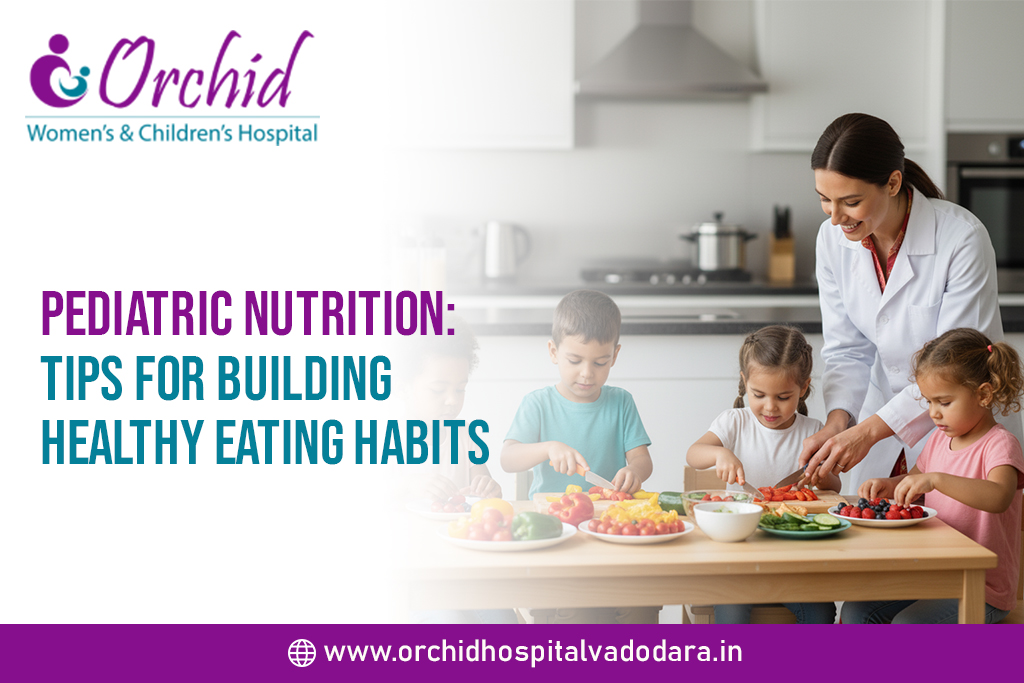
Pediatric Nutrition: Tips for Building Healthy Eating Habits
With children, it is a complex task to establish healthy eating habits. Encouraging children to consume a variety of vegetables, fruits, dry fruits, seeds, and whole grains, which are rich in necessary nutrients and micronutrients, can be challenging. However, the first step towards laying a strong nutritional foundation for your children is to lead by example. When the elders in the house adopt a balanced diet and value food, children learn from them and follow suit. There are numerous tips to foster healthy eating habits with children, which we will delve into in the blog ahead.
Why Children Need Healthy Eating Habits
There are many reasons to maintain healthy eating habits at a young age. Firstly, proper quantity and quality of food help in maintaining a healthy weight, which is a common complaint with young children. Secondly, a diet rich in nutrition helps build strong teeth, bones, skin, hair, and eyes, laying a strong foundation for overall health. Children who consume healthy meals from a young age are less prone to falling ill later in life. On the other hand, a poor diet can lead to a range of health issues, including obesity, diabetes, and heart disease. If you feel unsure about your plan, visit Orchid Women's and Children's Hospital, the best child care hospital in Vadodara. Our team, dedicated to children's health and development, strives to provide effective treatment and one-on-one consultations to new parents regarding the health and care of their children. Give us a call to ask your questions or book an appointment.
Some of the Benefits of Healthy Eating
- Boosts Immunity
- Supports Growth and Development
- Builds Strong Skeleton and Organs
- Enhances Brain Development
- Increases Cognitive Functions
- Maintains Energy Levels and Stamina
- Reduces Chronic Disease Risk
Tips for Building Healthy Eating Habits
The following tips are for educational purposes; however, it is crucial to consult a certified pediatrician in Baroda before formulating a meal plan or introducing nutritional supplements. This professional guidance will provide you with the reassurance and confidence you need to make the best decisions for your child's health.
-
Analyze your child’s age, activity level, physical factors like height and weight, and other characteristics. This will give you a rough idea of the types of nutrients your child needs most. This way, you can list out essential food items and make a plan.
-
Cut out all artificial, adulterated, and packaged food items that contain saturated fats. Such items are not beneficial for a child's growth at any stage of life. Therefore, their consumption must be limited.
-
Consider nutrient-dense food items such as seafood, lean meat, eggs, green vegetables, unsalted nuts and seeds, fruits, grains, oatmeal, brown rice, etc. With this, encourage children to drink low-fat milk and consume dairy items such as cheese, yoghurt, curd, etc.
Conclusion
At a tender age, kids need adequate attention to their consumption habits. Parents must focus on fostering a positive relationship with food, as it reduces the risk of the development of food disorders, such as eating disorders, later in life. Make a proper plan and feed the children with the right amount of food in regular intervals throughout the day. For more such tips, hear directly from the expert pediatric doctors in Vadodara, at Orchid Women's and Children's Hospital. The child care team at our facility is strictly dedicated to providing the best advice to parents who want to ensure the secure health and accurate development of their child. Our hospital is a perfect solution for all concerns regarding mothers' and children's health. Call us to discuss your problem or book an appointment.